
{block: mb:12px}Dog Food by Age: The Best Dog Food by Life Stage
When it comes to choosing dog food, there are so many options on the market that it’s easy to get confused about what is best for your dog.
You may have noticed when shopping for the perfect dog food that each package has a recommended age. In this guide, we’ll talk you through everything you need to know about age-specific dog food, including when to switch puppies to adult dog food and how to choose the best food for your dog at every stage of its life.
Contents:
- What is the Best Puppy Food?
- When to Switch a Puppy to Adult Food
- What is the Best Adult Dog Food?
- When to Switch to Senior Dog Food
- What is the Best Senior Dog Food?
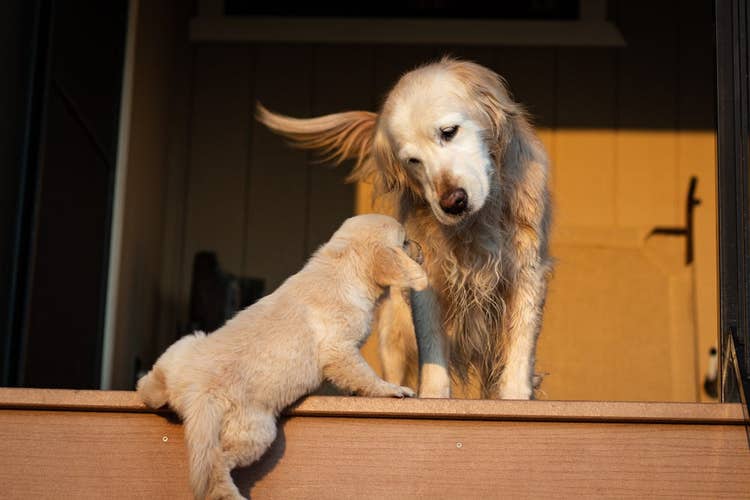
What Are The Life Stages of a Dog?
Generally speaking, dogs have three distinct life stages:
- Puppy (birth to 1 year old*)—Puppies are like human children. Everything is new and exciting, and they've got a lot of growing and learning to do before they can become the perfect companion.
- Adult (2 to 7 years*)—Adult dogs are in the prime of their lives! They're often energetic and playful, and they are comfortable in new environments with the proper training and socialisation.
- Senior (7 to 10 years*)—Senior dogs are living in their golden years. They've likely slowed down relative to how they were as adults and may encounter health conditions related to their age.
At each of these life stages, dogs have different nutritional, training, and exercise needs that must be considered to ensure their lifelong happiness and health.
Why Does Age-Specific Dog Food Matter?
As dogs grow and age, their nutritional needs change with them. This is why dog food brands offer a variety of diets, typically tailored to the three main life stages (puppy, adult, and senior), so you can be sure your dog is getting the essential nutrients they need to function no matter their age.
Understanding the differences between foods targeting these specific life stages is essential for any dog owner, so you know your dog is getting the very best food for life.
What Should Puppies Eat?
What you feed a puppy is a crucial choice that every new dog owner makes, but the importance of their diet starts directly from birth. For the first 6 weeks a puppy should still be feeding from their other daily, although moistened dry puppy food can be introduced around 4 weeks old to aid the weaning process.
Puppies should stay with their mothers for a minimum of 8 weeks to ensure they get all the benefits of drinking their mother's milk and key socialisation milestones that can only be met while they are with their litter mates. Once puppies reach 8 weeks old, they’re typically ready to go to their homes. This can vary by breed and breeder, but below is our advice on what and how often to feed a new puppy:
- 8 – 12 weeks: Puppies at this stage should be fed appropriate puppy food four times a day to adequately meet their nutritional demands. Most dog breeds should also start eating unmoistened dry food during this time. It is recommended that large dog breeds are introduced to this by 9-10 weeks and small dog breeds by 12-13 weeks.
- 3-6 Months: Puppies at this stage should have their feedings gradually decreased to three feedings a day. By this time, most dogs will have passed their potbelly and puppy-pudge, but if they haven’t, you should continue feeding puppy-sized portions until their body type matures.
- 6-12 Months: During this time, most puppies should still be on a good puppy food diet, but feedings can be lessened to twice daily, approximately 12 hours apart. During this period, smaller dog breeds may be able to switch to adult food, but you should speak with your vet before doing so to ensure they’ve finished growing.
- 12 – 24 Months: Most dogs should have transitioned to adult dog food twice daily by this point. Larger dogs that took longer to mature should be transitioning to adult food around 14 –18 months old, depending on their breed or size.
What is the Best Puppy Food?
Every puppy is unique and will need different nutrients to help them grow and develop at the right speed while ensuring they have enough energy for their daily antics.
The best food for your puppy should be something they enjoy eating, offering them a complete and balanced meal. This may sound simple in theory, but to be sure you’re feeding the best puppy food, you’ll need to know what nutrients and how much of them a puppy needs for optimal health.
A good puppy food should contain the following:
- Protein—22.5% is the minimum protein standard for puppy food, as protein is essential for the development of vital organs and the building of soft tissues such as ligaments, cartilage, and tendons.
- Fats—Puppies need more calories per meal to ensure they’re growing at an appropriate rate. This is why puppy food should have a minimum of 8.5% fat content to help them grow as well as support healthy brain development and vision.
- Carbohydrates—Puppies get the most of their energy from carbohydrates, which also provide the necessary fibre for healthy digestion.
- Essential vitamins & minerals—Calcium, phosphorus, vitamin D, and Omega-3 fatty acids are just some of the essential vitamins and minerals for growing puppies. These nutrients are needed to support bone growth, maintain cell structure, aid in eye and brain development, and help them grow healthy and strong.
To ensure you’re feeding your puppy the best diet, familiarise yourself with these nutritional requirements and make sure you are reading the ingredients for prospective foods to ensure they meet your dog’s needs.
If you’re ever unsure about the best puppy food, speak with your vet during one of your puppies' regular checkups.
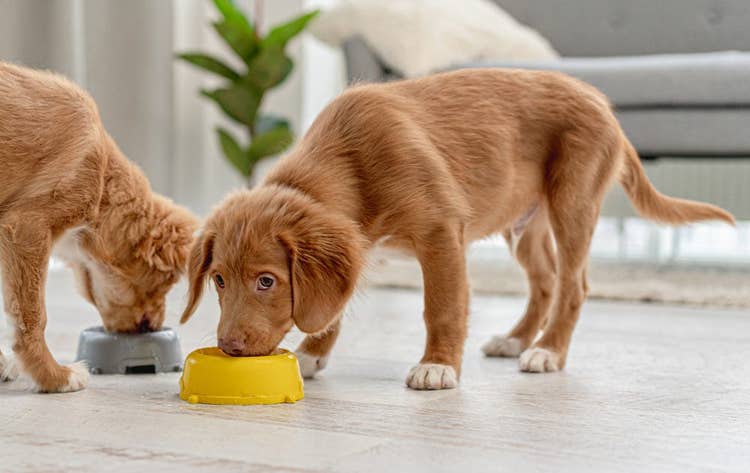
When to Switch a Puppy to Adult Food
Due to the differences in sizes and breeds of dogs, there is no exact age for when your puppy should be eating adult food. Most brands will recommend switching your dog to adult dog food after they reach 12 months old, but this is only applicable for breeds that take this long to fully mature.
Smaller dog breeds (20lb or less when fully grown) may reach maturity as early as 9 months old and should be transitioned to adult food around this time.
Large and extra-large dog breeds (50-100lbs when fully grown) tend not to reach maturity until they’re 18 months old and should stay on nutrient-rich puppy food until they reach full maturity.
If you’re unsure when your dog will reach full maturity, you should speak with your vet for advice on when to switch their food over to ensure they don’t miss out on the added nutrients puppy food offers.
What is Junior Dog Food?
Rather than transitioning from puppy to adult dog food immediately, you can switch your dog to junior dog food, like this James Wellbeloved™ Junior Dry Dog Food. These foods are specifically formulated to help transition from nutrient-rich puppy foods to adult foods.
Junior dog food is less energy-dense than puppy food, but it still contains the necessary nutrients to help support your adolescent dog in the final stages of growth and development. Junior dog foods are especially good for large and extra-large dog breeds, as it takes longer for their bodies to reach maturity.
How to Switch from Puppy Food to Adult Dog Food
Every dog is different, and their size and breed will impact when you can transition them to adult food. Generally speaking, dogs should switch from puppy to adult dog food when they are fully matured and stop growing. This happens around a year old for many dogs, but it can happen sooner or later, depending on your dog.
Changing your dog's diet too fast can lead to a number of stomach issues, including vomiting and diarrhoea, as their bodies adapt to the new food. Puppy food is also considered richer than adult food, so some dogs are reluctant to change, leading to disinterest in meals. To avoid this, make sure you change your dog's food gradually from puppy to adult food so they don't notice the switch.
- Start by adding a small amount of the new adult food to your puppy's meal. (For dry food, have the new kibble at the bottom of the bowl covered by the new food. For wet food, either mix the new food in or offer it on a smaller dish beside their main meal.)
- If your dog eats their meal with the new food included, then you can gradually add more of the new food and less of the old until the switch is complete.
- If your dog struggles with the change, don't be afraid to go back a stage and offer more of the old, familiar food to ensure they eat.
Overall, switching your dog's food should take 7-10 days. However, it can take up to two weeks for some dogs, so make sure to be patient and go at your dog's speed. Some stomach upset or changes in appetite are normal during a transition, and if you need to go back a stage so your dog eats their meal, that's okay.
If your dog was previously on dry puppy food, using adult wet dog food to ease the transition can help keep them interested. Just make sure you're familiar with the Difference Between Wet and Dry Dog Food before committing to one or the other.
What to Feed an Adult Dog
Adult dogs are at the prime of their lives, and many have lived happily on the same food for years! This can add extra pressure on owners who are looking for the best fit for their dog, so we’ve broken down the most important things to look for in good dog food:
- Protein—Adult dogs don’t need as much protein as puppies, but it should still make up at least 18% of their diet. Try to choose a single-sourced protein food for your dog as it’s far easier for them to digest and can help dogs with allergies.
- Fats—These are a source of energy for your dog and aid in absorbing certain vitamins. Food sources of fat for adult dogs include fish oils, animal fats, and even eggs.
- Carbohydrates—These are where your dog gets the remainder of the energy from, as well as fibre, which is essential for maintaining their gut health. Healthy dog carbohydrates include whole grains like brown rice, sweet potatoes and more!
- Vitamins & Minerals—Dogs need various vitamins and minerals to keep their bodies in top working order. However, as not all dogs need the same levels of these nutrients, you can provide them by introducing suitable dog supplements to their meals to make up for the difference or tailor your dog's diet to offer them support where they need it most. Always be careful when choosing supplements for your dog, as too much of certain vitamins or minerals can be as damaging as too little.
Puppy food has a higher calorie content than adult dog food, which can lead to obesity in adult dogs if consumed too often. Obesity in dogs can lead to several other health conditions in later life, so feeding an adult dog puppy food is not advised unless in certain circumstances, such as feeding a pregnant dog.
When looking for the best adult dog food, remember to consider your dog's breed, size, and existing health conditions to find their perfect match. Our full range of adult dog food is available here.
What Age is Senior Dog Food For?
Much like finding the right time to switch from puppy to adult food, finding the perfect moment to change to senior dog food can be tricky. When your dog is considered "senior" depends on several factors, including its size, breed, and overall health.
- Small dog breeds have an average life span of 14-16 years and are considered senior dogs around 11 years old.
- Medium and large dog breeds tend to live 10-12 years and are considered seniors around 7-8 years old.
- Giant dog breeds have the shortest average lifespan of 8-10 years and can be considered seniors as early as 5 years old.
Your dog's breed will also play into when your dog is considered senior, as some breeds have a variety of health conditions in later life that can impact their lifespans.
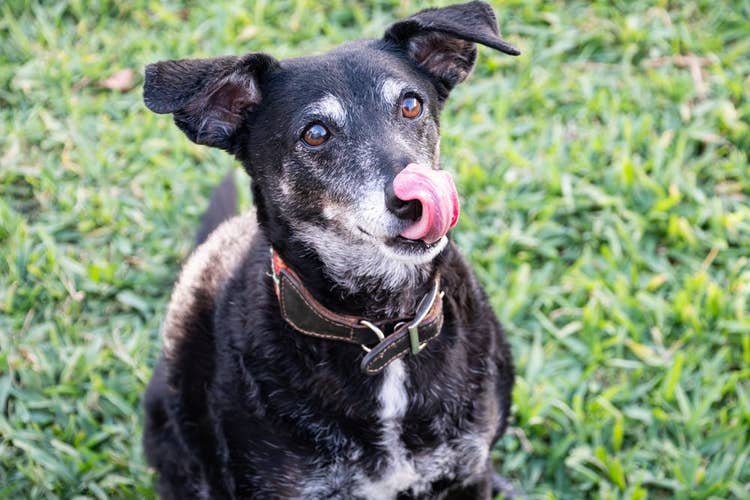
What is the Best Senior Dog Food
Senior dog food is specifically formulated to cater to the nutritional needs of older dogs as well as provide additional support for potential health concerns that impact many older dogs. To help find the best senior food for your dog, look for a food that contains:
- Protein—Senior dog food typically contains more protein than adult dog food
- Fibre—Additional fibre is essential for older dogs to ensure their gut health is in optimum condition and helps prevent constipation. However, too much fibre can also cause problems in dogs, so take this into account when finding a good food.
- Glucosamine and Chondroitin—These cartilage-supporting ingredients are the key ingredients in most senior dog supplements, but many senior foods also include them to help support mobility problems in older dogs.
- Omega-3 Fatty Acids—while dogs of any age can benefit from plenty of omega-3 fatty acids, senior dogs, in particular, need higher levels to help decrease inflammation and improve kidney health.
- Vitamins & Minerals—Senior dogs can also benefit from additional vitamins and minerals, such as vitamin E for its antioxidant properties, Vitamin B to counter fatigue, Coenzyme Q-10 and carnitine for heart health, Alpha Lipoic Acid for eye health, and more! Senior dogs also need less phosphorus and sodium to help maintain kidney function and maintain healthy blood pressure.
Remember, every dog is unique, and finding the best senior food for your dog requires an understanding oftheir overall health and breed so you can be proactive with their diet and hopefully counter age-related conditions, such as arthritis and obesity.
Does My Dog Need Senior Dog Food?
As your dog ages, they can encounter several health problems depending on their breed and health. The most common health problems for senior dogs include:
- Arthritis
- Diabetes
- Obesity
- Organ failure (such as heart, liver, or kidney failure)
- Cancer
- And more
Whether or not your dog has an existing ailment, switching them to senior dog food is essential when they reach the appropriate age, as senior dog foods are formulated with these ailments in mind.
For example, one of the biggest health concerns in senior dogs is obesity because their metabolism slows down as dogs age, and, in some cases, so will their overall movement. If this happens with your dog, then they won't be able to use up the calories or energy from their food, and it will instead be stored as fat. This is why many senior dog foods have a lower fat content than those intended for adult dogs to help dogs maintain a healthy weight.
Senior dogs may also need more support in specific areas of their health, which can be achieved through condition-specific dog foods. While feeding a condition-specific or veterinary diet will not cure your dog of their conditions, these diets are tailored with added vitamins and minerals to support certain areas, such as heart, liver, kidney or urinary health. You can even find foods for specific dietetic (relating to their diet) conditions, such as diabetes.
You can also help support your senior dog by incorporating senior dog vitamins and supplements with their standard senior food to help support them in specific areas, such as senior dog joint supplements. If you're unsure whether you should make the switch from adult to senior food, book a consultation with your vet. They'll be able to assess your dog's body scale score as well as their overall health and give you tailored recommendations on where your dog could use some extra support.
Finding the right food for your dog can be hard. We hope this guide helps you understand what dogs need at each stage of their lives so you can better choose a complete and balanced diet for your dog. If you're looking to change your dog's food, take a look at our great range of dog food from top brands, including some new additions to please any pocket.

This post is an opinion and should only be used as a guide. You should thoroughly discuss any change to your pet’s care or lifestyle with your vet before starting any program or treatment.
