{block: mb:12px}The Ultimate Guide to Puppy Training
Welcoming a new puppy into your home is one of the greatest feelings in the world, and you probably can’t wait to get your life started with your new bundle of fur. However, training is an essential aspect of dog ownership that can often be overlooked.
As with children, puppies don’t know much when they are young besides their basic instincts to eat, play and sleep. As their new guardian, it’s down to you to ensure your puppy gets all the mental stimulation and learning that they can to help them grow and develop into healthy, well-behaved dogs.
In this guide, we will cover the key stages in every puppy's life and what they should be learning at those times.
Contents:
How to Train a Puppy
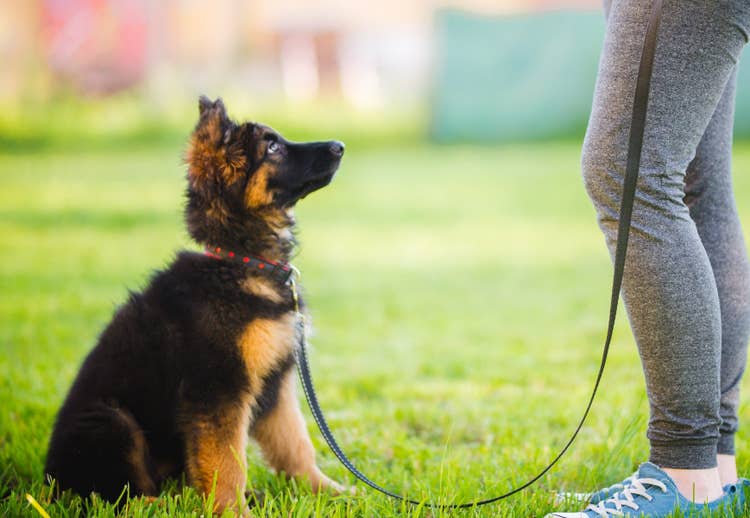
Like people, dogs find learning much easier when they're young. Therefore, it’s important to establish a training routine with your dog when they’re still a puppy. There are a few things to remember when training a puppy:
- Be patient and consistent
- Use puppy food (or puppy treats, like these ROYAL CANIN® Educ Training Treats For Puppies)
- Practice makes perfect.
By implementing a training schedule for your puppy based on its age, you can help it learn as it grows, curb any undesirable behaviour, and build a stronger bond with it.
Here’s a brief overview of a puppy’s life stages and how you can form their training around them.
8-10 weeks old
This is typically the age that you’ll be bringing your new pup into your home. This is when you need to establish the basics for your puppy, including:
- Daily routine
- Potty training
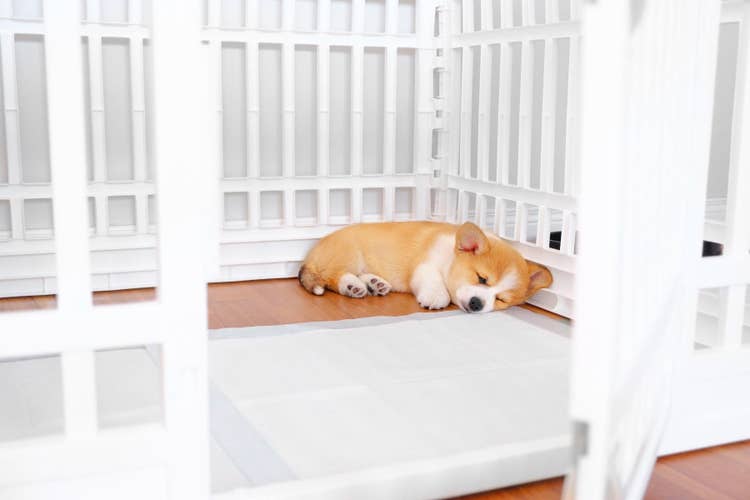
- Crate training
- Basic commands (such as sit and come)
- Name recognition
- Early socialisation
It’s also important to ensure you have all the necessary puppy toys and equipment for these training stages, including chew toys, to help redirect biting and chewing behaviours.
10-12 weeks old
Your puppy has likely settled nicely into your home and routine and may even be comfortable with their potty and crate training. Now is an excellent time to up the ante with some more complex training, such as:
- Expanding their obedience commands— You can now work off of sit and come by teaching your puppy to lie down, stay and even heel (inside, of course.)
- Introduction to harness and leash training— Your puppy may be too young to go for walks, but while they’re waiting for their jabs, it's the perfect time to get them ready by introducing their harness and leash and letting them wear it around the house while you supervise.
- Continue socialisation— this is a great time to introduce your puppy to new people. You can even teach them to be friendly dogs so long as they’re up to date with their jabs! You can do this by setting up a puppy playpen so they can see the other dog without being physically able to touch them. This is also a good time to get puppies used to unfamiliar sounds they're likely to hear daily, such as music, construction noises and alarms. Videos with all of these noises can be found on YouTube.
- Impulse control training— Puppies are boisterous, but teaching them to curb their impulses and be obedient before they go out into the world is essential. Try asking your puppy to sit before giving them their food, then give them a release cue before they can start eating.
3-4 months old
By this point, you’re probably wondering where the time has gone. As your puppy grows and learns, it’s a great time to further advance their training.
- Start introducing command combinations— You can try giving your puppy one command after another, like Sit - Down - Stay - Come. You can also extend the time your puppy performs these commands by asking them to sit for longer or stay while you make the distance away larger.
- Heel practice— once your pup has got to grips with heel, try doing it outdoors where there are more distractions, like in the garden or driveway. If it’s a struggle to hold their attention, try enticing them with higher-value treats.
- Continue socialising — once your puppy has had their jabs, you can start socialising them more with other dogs. At this point, it’s essential to know your dog's temperament and personality and only introduce them to dogs that match them. Trying to socialise an extremely playful or hyperactive puppy with a dog that likes to be left alone can result in harmful interactions that can set your puppy’s socialisation back. Don’t force your puppy to interact with other dogs or people if they don’t want to, and keep a close eye while socialising. You may need to step in if needed.
- Introduce structured play— this can be as simple as introducing your dog to the game of fetch, where their goal is to retrieve an item and bring it back to you. This is great for training your dog to follow commands like Come and Drop better.
4-6 months
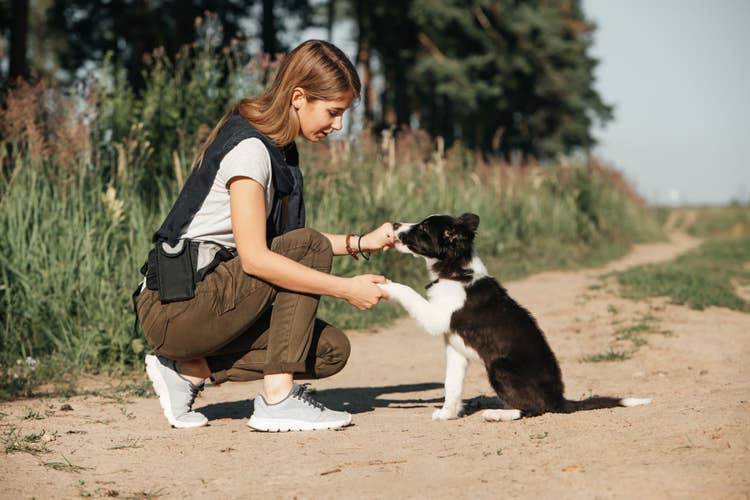
By this age, your puppy is ready to venture into the outside world with you and go on their first walks. Now is the time to advance your puppy’s training and socialising by doing sessions in public places with even more distractions.
- Improve their commands— Have your puppy perform their usual commands with the added distractions of the outdoors. You can try taking your puppy to new locations as well as increasing the distance and durations of their commands. It’s important to remember to keep your puppy on the lead while doing these training sessions, as they can become easily distracted by new smells, and you don’t want them to take off.
- Extend walks— As your puppy grows, it will need more exercise. This should be built up gradually and offers the perfect opportunity for you and your puppy to work on leash training and heeling.
- W ean your puppy off food rewards— food is enticing to most dogs, but too many treats can start to impact your puppy’s health or expectation of getting food whenever they do something you like, whether you tell them to or not. Try introducing toys or rewarding your puppy with verbal praise and fuss.
6 months - 1 year
By now, your puppy should have gotten to grips with all the basic commands, and now, all that’s left to do is ensure you keep up the practice! Reinforce your puppy’s commands by adding distance, distractions and duration to each trick. You can even move on to try to teach them more complex commands like play dead or spin. Be sure to work on your puppy’s recall so that you can do so confidently when you do let them off the leash.
It’s important to note that even at one year old, your puppy is more of an adolescent than an adult. They’re bound to burst with energy and need lots of stimulation to avoid boredom. This can lead to your puppy acting out or regressing in their training with potty accidents, chewing or barking.
This is avoidable so long as you maintain a structured training routine at home, where you can ensure your puppy still listens to your commands and obeys you. After that, all that’s left to do is enjoy your life with your new pup and continue building that trust and bond with them.
If you’d like to learn more about dog training, you can check out our Ultimate Dog Training Guide below, or shop our great range of dog training aids to find the best method for training your new pup.

This post is an opinion and should only be used as a guide. Before starting any program or treatment, you should thoroughly discuss any change to your pet’s care or lifestyle with your vet.
